Remove Water Before It Spreads Further
Water damage restoration and extraction in Piscataway stops flooding from reaching walls, subflooring, and adjacent rooms.
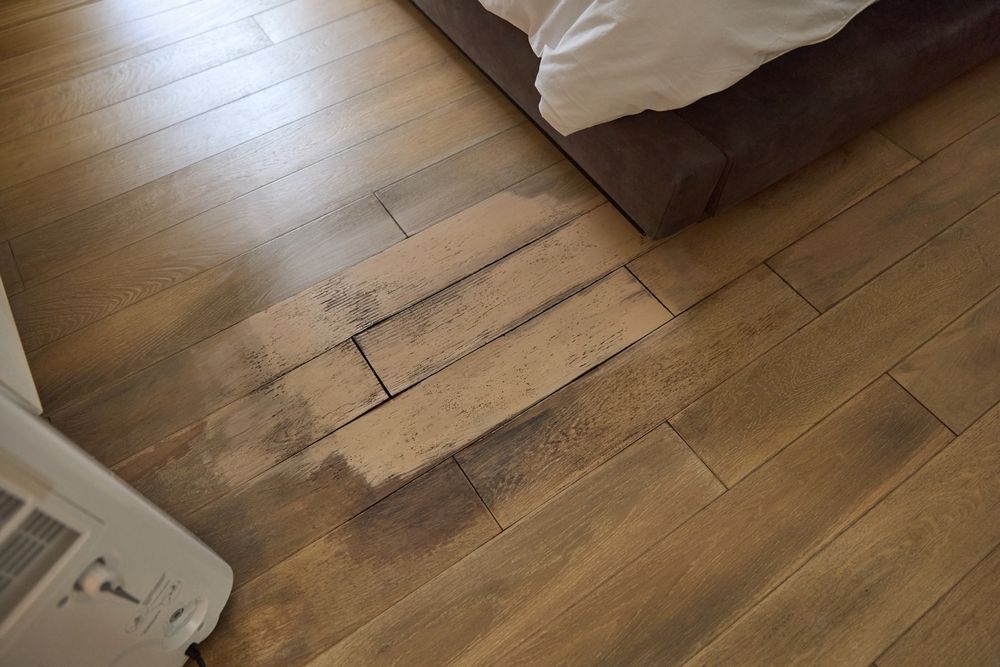
When a pipe bursts or an appliance leaks overnight, the water spreads across flooring and seeps into carpet padding, baseboards, and subflooring before you notice the damage. In Piscataway homes and offices, delays in extraction often lead to warped floors, stained drywall, and mold growth within 48 hours. You need to pull the water out, dry the affected materials, and treat surfaces to prevent long-term issues.
Whibbie responds with industrial extraction equipment and dehumidifiers designed to remove standing water and pull moisture from carpets, padding, and porous surfaces. The drying process includes air movers positioned to increase airflow and speed evaporation in areas that stay damp after extraction. Documentation is provided in formats that work with most insurance claims processes.
If water has been sitting for more than a few hours in your Piscataway property, contact us to start the extraction and drying process before additional damage sets in.
How Emergency Extraction Stops the Damage
The first step is extracting all standing water using truck-mounted or portable vacuums that pull liquid from carpet, tile, and other surfaces. In Piscataway basements and commercial spaces with concrete slabs, water often pools in low spots or along walls, so extraction tools are moved across the entire affected area to reach hidden pockets. Once extraction is complete, moisture meters are used to check walls, flooring, and subflooring for saturation levels.
After drying is finished, your floors should feel firm underfoot, and there should be no musty odor coming from carpets or walls. Dehumidification prevents mold growth by keeping relative humidity below levels that support spore development.
Depending on the extent of the damage, drying can take anywhere from two to five days. This service does not include reconstruction or replacement of materials like drywall or flooring, but it stabilizes the space so repairs can be planned safely. The process prepares the property for any follow-up work your insurance adjuster or contractor recommends.
Flooding Brings a Lot of Uncertainty
Most questions about water damage come from people trying to figure out what needs to happen right away and what can wait, so the answers below focus on timing, equipment, and how the restoration process actually works.
If you are seeing water pooling on floors, dark stains spreading across drywall, or a damp smell that was not there before, those are signs that water has saturated materials and needs immediate attention. Contact Whibbie to start the extraction and drying process before the damage reaches structural components.